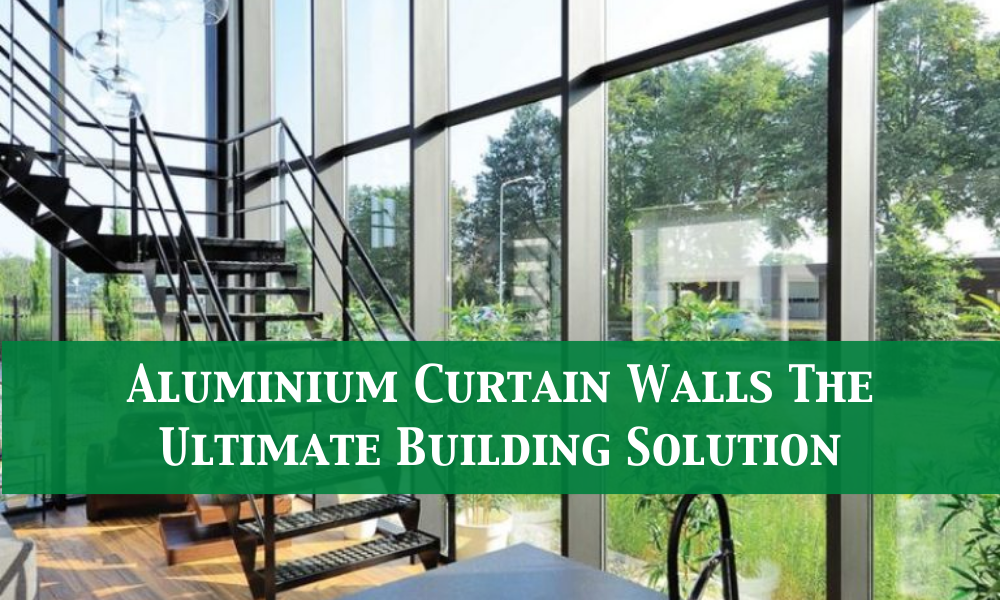
Modern architecture demands innovative solutions that seamlessly blend functionality, aesthetics, and sustainability. Among these revolutionary building technologies, aluminium curtain walls have emerged as the gold standard for contemporary construction projects.
Furthermore, these sophisticated systems continue to transform skylines worldwide, offering unparalleled benefits that traditional building methods simply cannot match. Additionally, the growing emphasis on energy efficiency and sustainable construction has made these systems increasingly popular among architects and developers alike.
Understanding Aluminium Curtain Wall Systems
Aluminium curtain walls represent a non-structural exterior cladding system that creates a protective barrier between the interior and exterior environments. Unlike conventional load-bearing walls, these systems are designed to resist environmental forces while maintaining complete independence from the building’s structural framework.
Consequently, architects gain unprecedented design flexibility without compromising structural integrity. Moreover, the curtain wall system consists of lightweight aluminium frames that support various infill materials, including glass panels, metal panels, and stone veneer.
Additionally, these systems can be customized to meet specific architectural requirements while delivering exceptional performance across diverse climatic conditions. Furthermore, the modular nature of these systems allows for easy integration with existing building components.
Key Benefits of Aluminium Curtain Wall Systems
Superior Structural Stability and Performance Standards
Despite their lightweight nature, aluminium curtain walls exhibit remarkable strength and durability. The inherent properties of aluminium, combined with advanced engineering techniques, enable these systems to withstand powerful environmental forces, including high winds, seismic activity, and extreme weather conditions.
Additionally, the structural design ensures long-term stability while minimizing maintenance requirements. Importantly, these systems demonstrate exceptional mechanical damage resistance, making them ideal for high-rise buildings and structures exposed to harsh conditions.
Furthermore, the static properties of aluminium remain consistent even with large dimensions, ensuring reliable performance throughout the building’s lifecycle.
Outstanding Thermal Performance and Energy Efficiency
Modern aluminium curtain wall systems incorporate advanced thermal insulation technologies that significantly reduce energy consumption. These systems feature thermal breaks, high-performance glazing, and sophisticated sealing mechanisms that minimize heat transfer.
As a result, buildings achieve superior energy efficiency, leading to substantial reductions in heating and cooling costs throughout the building’s lifecycle. Notably, passive curtain walling systems can achieve thermal values as low as 0.79 W/m²K, representing cutting-edge performance in building thermal comfort.
Additionally, the integration of double or triple glazing units further enhances the insulating power of these systems, preventing excessive heating in summer and rapid cooling in winter.
Exceptional Design Flexibility and Aesthetic Appeal
One of the most compelling advantages of aluminium curtain walls lies in their extraordinary design versatility. Architects can create complex geometries, sweeping curves, and innovative configurations that would be impossible with traditional building methods.
Furthermore, the sleek appearance of aluminium complements various architectural styles, from ultra-modern skyscrapers to sophisticated commercial complexes. The material’s inherent flexibility allows for seamless integration of different panel types, creating visually striking facades that capture attention while maintaining functional excellence.
Additionally, aluminium’s natural finish can be enhanced through various treatments, including anodizing, powder coating, and specialized surface textures. Moreover, the availability of colors from the RAL palette, including wood grain and stone surface imitations, provides unlimited customization options.
Applications and Installation Considerations
Commercial and High-Rise Buildings
Aluminium curtain walls have become the preferred choice for commercial developments, office towers, and mixed-use projects. These systems provide the ideal balance between visual impact and practical performance, making them particularly suitable for buildings that require extensive glazing and sophisticated climate control.
Additionally, they are perfectly suited for office buildings, public buildings, retail and service buildings, showrooms, hotels, residential buildings, sports and leisure facilities, and manufacturing plants. Professional installation of these advanced curtain wall system solutions requires specialized expertise and precise coordination.
The process typically involves detailed structural analysis, custom fabrication, and meticulous on-site assembly. Moreover, proper installation ensures optimal performance, longevity, and compliance with building codes and safety standards.
Prefabricated Solutions and Construction Efficiency
Modern aluminium curtain wall projects increasingly utilize prefabricated components manufactured in controlled factory environments. This approach offers numerous advantages, including enhanced quality control, accelerated construction timelines, and reduced on-site labor requirements.
Consequently, developers can achieve faster project completion while maintaining superior build quality. Furthermore, the modular construction approach allows for better cost efficiency and reduced installation complexity. Additionally, prefabrication ensures consistent quality standards and minimizes weather-related construction delays.
Weather Resistance and Environmental Protection
Advanced Weatherproofing Technologies
Aluminium curtain walls incorporate sophisticated weatherproofing technologies that protect building interiors from moisture infiltration, air leakage, and thermal bridging. These systems feature multiple sealing layers, pressure equalization chambers, and drainage mechanisms that ensure long-term weather resistance.
Additionally, they provide superior protection against wind, rain, and other adverse weather conditions. Modern systems also include structural glazing and advanced weather seals that maintain their effectiveness under diverse environmental conditions.
Moreover, the acoustic insulation properties of these systems provide excellent soundproofing, particularly important for buildings located in busy urban centers or near major transportation routes.
Maintenance and Long-Term Performance
Minimal Maintenance Requirements
Aluminium curtain walls are renowned for their low maintenance characteristics. The material’s natural resistance to corrosion ensures that facades retain their original appearance for decades with minimal intervention. Regular cleaning and periodic inspections are typically sufficient to maintain optimal performance and visual attractiveness.
Furthermore, the modular nature of these systems allows for easy replacement of individual components without affecting the entire facade. This feature significantly reduces long-term maintenance costs and minimizes disruption to building operations. Additionally, when properly maintained through professional curtain wall system services, these systems can provide decades of reliable performance.
Durability and Lifecycle Benefits
The exceptional durability of aluminium ensures that curtain wall systems deliver decades of reliable performance. Unlike steel, which may require extensive corrosion protection measures, aluminium naturally forms a protective oxide layer that prevents deterioration.
Additionally, this inherent corrosion resistance makes aluminium curtain walls particularly suitable for coastal environments and areas with challenging climatic conditions.
Importantly, the long lifespan of these systems makes them a cost-effective investment over time, providing excellent return on investment for building owners and developers.
Environmental Benefits and Sustainability
Recyclable Materials and Circular Economy
Aluminium stands out as one of the world’s most recyclable materials, retaining its properties indefinitely through multiple recycling cycles. This characteristic makes aluminium curtain walls an environmentally responsible choice that supports sustainable construction practices. Moreover, recycled aluminium requires only 5% of the energy needed to produce new material from raw ore, contributing significantly to carbon footprint reduction.
Furthermore, the ability to incorporate renewable energy technologies, such as integrated photovoltaic panels, enhances the environmental benefits of aluminium curtain walls. Additionally, these systems support green building certifications and contribute to LEED points accumulation.
Energy Efficiency and Passive Building Standards
Modern aluminium curtain wall systems contribute significantly to achieving green building certifications and energy efficiency targets. The combination of superior thermal performance, natural light optimization, and reduced operational energy requirements makes these systems integral to sustainable building design.
Moreover, passive curtain walling systems meet the stringent requirements of passive and low-energy construction, providing exceptional thermal comfort while minimizing energy consumption. Additionally, the XXL glazing capabilities of these systems maximize natural lighting while maintaining optimal thermal insulation.
Technical Specifications and Performance Standards
Structural Performance and Building Standards
Advanced aluminium curtain wall systems must meet rigorous building standards and regulations. These systems demonstrate exceptional performance in structural and static properties, maintaining their integrity even under extreme loads. Furthermore, they comply with international safety standards and local building codes.
The engineering excellence behind these systems ensures they can accommodate building movement, thermal expansion, and seismic forces without compromising performance. Additionally, sophisticated connection systems distribute loads effectively while maintaining structural integrity.
Glass Technology and Glazing Solutions
The effectiveness of aluminium curtain walls is enhanced by advanced glazing solutions that optimize solar heat gain, natural light transmission, and acoustic performance. Modern systems can incorporate various glass types, including high-performance glazing, tinted glass, and specialized coatings that improve energy efficiency.
Furthermore, the availability of colourless or custom-tinted glass options allows architects to achieve specific aesthetic goals while maintaining optimal performance. Additionally, safety glass options ensure compliance with building safety requirements.
Cost Considerations and Economic Benefits
Investment Analysis and Lifecycle Costs
While aluminium curtain walls may require a higher initial investment compared to conventional building methods, they deliver substantial long-term economic benefits. The combination of reduced maintenance costs, energy savings, and enhanced building performance creates compelling return on investment over the building’s lifecycle.
Additionally, the speed of construction achievable with prefabricated curtain wall systems can significantly reduce project timelines, leading to faster occupancy and revenue generation for commercial developments. Furthermore, professional installation services, such as those provided by experienced curtain wall system specialists, ensure optimal performance and longevity.
Insurance and Risk Management
Buildings featuring properly designed and installed aluminium curtain wall systems often benefit from favorable insurance rates due to their superior resistance to environmental hazards and reduced maintenance risks. The fire resistance properties of aluminium, combined with advanced glazing technologies, contribute to enhanced building safety and reduced liability exposure.
Moreover, the mechanical damage resistance of these systems reduces the risk of costly repairs and insurance claims, making them attractive to property owners and insurance providers alike.
Innovation and Future Trends
Smart Building Integration
The evolution of aluminium curtain walls increasingly incorporates smart building technologies, including integrated sensors, automated shading systems, and responsive climate control mechanisms. These innovations enhance building performance while providing unprecedented control over interior environmental conditions.
Furthermore, advances in digital fabrication and building information modeling (BIM) are revolutionizing the design, manufacture, and installation processes for curtain wall systems. Additionally, the integration of IoT technologies allows for real-time monitoring and optimization of building performance.
Advanced Materials and Surface Treatments
Ongoing research and development in aluminium alloys and surface treatments continue to expand the capabilities of curtain wall systems. New coating technologies offer enhanced durability, self-cleaning properties, and improved aesthetic options while maintaining the fundamental advantages of aluminium construction.
Moreover, innovations in glass technology and glazing solutions continue to improve the performance and versatility of these systems. Additionally, the development of new insulation materials and thermal break technologies further enhances energy efficiency.
Architectural Identity and Modern Design
Contemporary Architecture and Design Trends
Aluminium curtain walls have become synonymous with contemporary architecture and modern design. These systems enable architects to create buildings that serve as standout features of urban landscapes, contributing to the architectural identity of cities worldwide. Furthermore, the ability to create complex shapes and non-standard dimensions allows for truly unique architectural expressions.
The minimalism and simple shapes of modern facade structures satisfy the preferences of supporters of current architectural trends. Additionally, the elegant design and luxurious appearance of these systems make them ideal for prestigious projects and landmark buildings.
When planning such sophisticated installations, consulting with professional curtain wall system experts ensures optimal results and compliance with all technical requirements.
The Bottom Line!
Aluminium curtain walls represent the pinnacle of modern building technology, offering an unmatched combination of performance, aesthetics, and sustainability. These sophisticated systems enable architects to realize their most ambitious visions while delivering practical benefits that extend throughout the building’s lifecycle.
The unlimited applications of these systems, combined with their impressive visual impact and functional excellence, make them essential components of modern architecture. Furthermore, their contribution to energy efficiency, environmental sustainability, and occupant comfort ensures their continued relevance in future construction projects.
For projects requiring superior performance, design flexibility, and long-term value, investing in high-quality aluminium curtain wall systems delivers lasting benefits that justify the initial commitment while contributing to the creation of landmark buildings that define urban landscapes for generations to come. Whether for commercial developments, institutional buildings, or mixed-use projects, these systems continue to set new standards for architectural excellence and building performance in the modern construction industry.